


How to Keep Animals Out of Your Garden: 12 Proven Methods That Actually Work

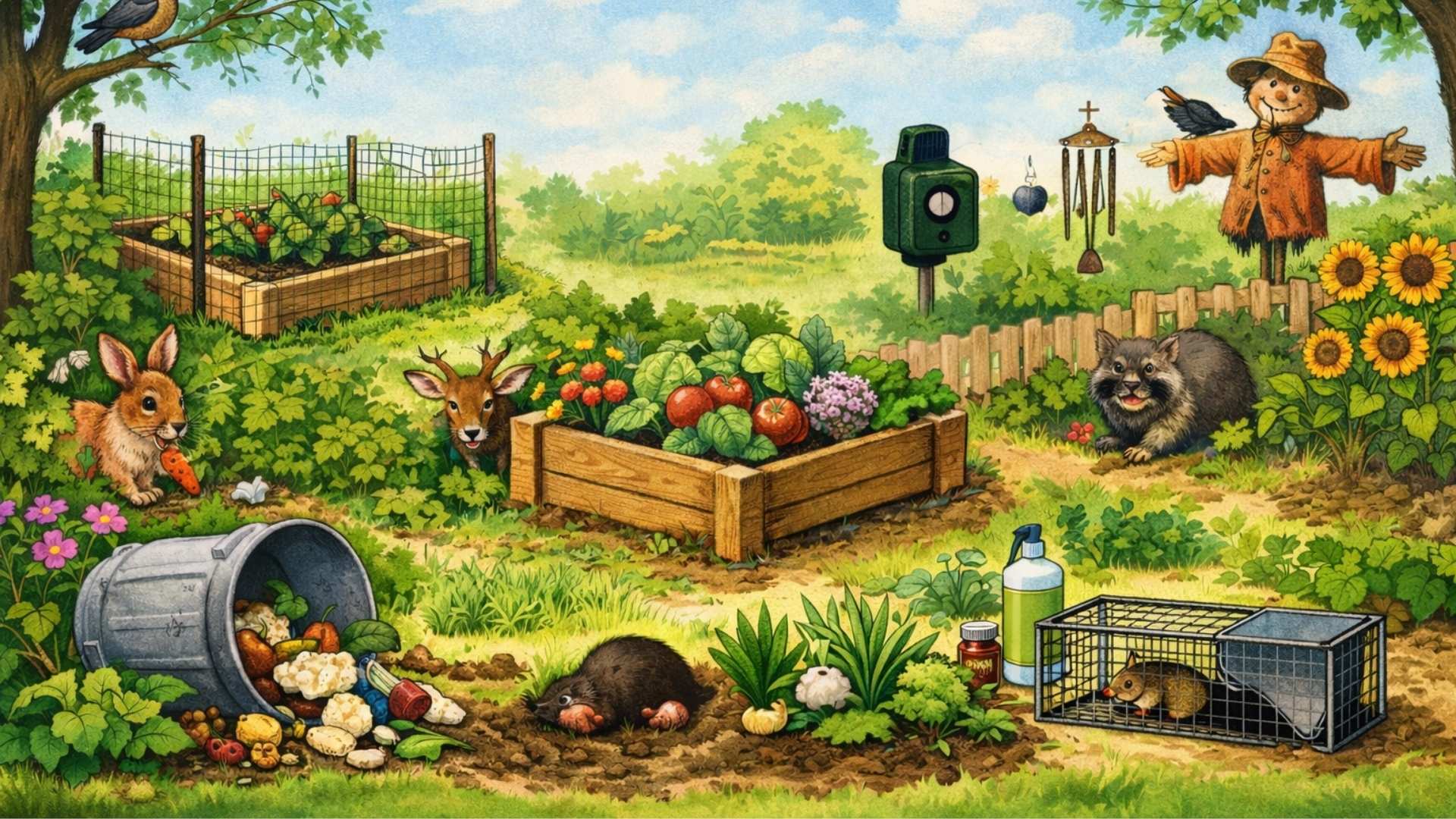
Nothing is more frustrating than waking up to find your carefully tended vegetable garden destroyed overnight. Whether it’s deer munching on your tomatoes, rabbits nibbling your lettuce seedlings, or squirrels digging up freshly planted seeds, unwanted wildlife can undo weeks of hard work in a single night.
The good news? You don’t need harsh chemicals or expensive professional pest control to protect your garden. In this complete guide, you’ll learn exactly how to keep animals out of your garden using proven, humane methods — from physical barriers and natural repellents to modern ultrasonic technology that keeps critters away 24/7 without any effort on your part.
Important Note: Wildlife is part of our shared ecosystem. The goal of this guide is never to harm animals, but to humanely redirect them away from your garden so both your plants and local wildlife can thrive.
Step 1: Identify Which Animals Are Invading Your Garden
Before you invest time and money in deterrents, figure out which animal you’re dealing with. Different critters require different strategies, and a method that works perfectly against rabbits won’t do a thing against deer. Here’s how to identify the most common garden invaders by the damage they leave behind.
Deer
Deer are the number one complaint among gardeners across the United States. They tend to feed at dawn and dusk, and they leave ragged, torn edges on leaves and stems because they lack upper front teeth and must rip vegetation rather than cut it cleanly. You’ll also notice trampled plants and hoof prints in soft soil. Deer can reach plants up to six feet high and will eat almost anything when hungry enough.
Rabbits
Rabbits are a close second to deer in terms of garden damage. They prefer tender young seedlings, leafy greens, beans, and fruits like strawberries and cantaloupe. Look for cleanly cut stems angled at 45 degrees (as if snipped with scissors), small round droppings that look like dark pellets, and damage concentrated on plants close to the ground.
Squirrels
Squirrels leave behind shallow holes scattered across garden beds, especially in freshly turned soil. They dig up bulbs and seeds, eat ripe tomatoes and peppers, and raid bird feeders near the garden. You’ll often spot them in the morning and evening, and they’re attracted to soft, loose soil that’s easy to dig in.
Groundhogs (Woodchucks)
Groundhogs are voracious vegetable eaters that can consume over a pound of vegetation per day. They create large burrows with noticeable mounds of excavated soil near garden edges. Unlike rabbits, groundhogs can climb short fences and will strip entire plants down to the stem.
Moles and Voles
Moles create raised tunnel ridges visible on the soil surface and cone-shaped mounds of dirt. They primarily eat grubs and earthworms rather than plants, but their tunneling damages root systems. Voles, on the other hand, use mole tunnels to access plant roots and bulbs. Look for plants that appear wilted despite adequate watering — voles may be eating the roots from below.
Raccoons
Raccoons are nocturnal and tend to cause the most damage to sweet corn, melons, and grapes. They knock over containers, scatter mulch, and leave behind five-toed paw prints that resemble tiny human hands. They’re also drawn to compost bins and unsecured garbage.
Birds
Birds peck at ripe berries, tomatoes, and other soft fruits. They also pull up newly planted seeds and seedlings. Small holes in fruit and scattered seed hulls are telltale signs.
The 12 Most Effective Ways to Keep Animals Out of Your Garden
Now that you’ve identified your garden invader, here are the best strategies to protect your plants — ranked from most effective to supplementary methods.
1. Install the Right Fence for the Right Animal
Fencing is one of the most reliable methods of keeping animals out of your garden. However, the type of fence you need depends entirely on which animal you’re trying to exclude.
For deer: You need a fence at least 8 feet tall. Deer are exceptional jumpers and can easily clear a 6-foot barrier. Use sturdy wooden posts with welded wire, polypropylene mesh, or metal fencing. If an 8-foot fence isn’t practical, try a double-fence system with two shorter fences (4-5 feet each) placed about 4 feet apart — deer struggle to jump both width and height simultaneously.
For rabbits: A 3-foot fence made of chicken wire or hardware cloth with a mesh size no larger than 1 inch is sufficient. The critical detail most gardeners miss is burying the bottom of the fence 6 to 12 inches underground, because rabbits are far more likely to dig under a fence than jump over it. Bend the buried section outward in an L-shape to further discourage burrowing.
For groundhogs: Combine a 4-foot above-ground fence with at least 12 inches buried below ground. Groundhogs can climb, so add a floppy, unsupported extension at the top of the fence that bends outward — they can’t get a grip on the wobbly material.
For raccoons and other climbers: A single electric wire placed about 8 inches off the ground along the perimeter of your existing fence can deter raccoons, skunks, and opossums. Electric poultry netting is another effective option, especially for seasonal use around vegetable beds.
The main downside of fencing? It’s expensive, labor-intensive to install, and can be an eyesore. For gardeners who want effective protection without the hassle of construction, ultrasonic repellers offer a compelling alternative — more on that below.
2. Use Ultrasonic Animal Repellers
If building a fence sounds like too much work, or if you want a hands-free solution that protects your garden around the clock, ultrasonic animal repellers are one of the smartest investments you can make.
These devices emit high-frequency sound waves that are deeply irritating to animals like deer, rabbits, squirrels, raccoons, and rodents — but completely inaudible to humans. Modern solar-powered models require zero maintenance once placed: no refilling, no reapplying after rain, no moving parts to break down.
Here’s why ultrasonic repellers have become a go-to choice for thousands of gardeners:
- Effortless protection. Unlike sprays and powders that wash away after every rainstorm, ultrasonic devices work rain or shine, day and night, without any intervention.
- Broad-spectrum coverage. A single device with adjustable frequency settings can deter multiple species — from deer and raccoons to moles and stray cats — covering up to 5,000 sq. ft. depending on the model.
- 100% humane and chemical-free. No poisons, no traps, no risk to pets, children, or beneficial wildlife like pollinators. The animals simply find the area uncomfortable and move on.
- Cost-effective over time. While sprays and granules require constant repurchasing, a quality ultrasonic repeller lasts for years with virtually no ongoing cost — especially solar-powered units.
The key to getting the best results from ultrasonic repellers is proper placement and using the right frequency settings for your target animal. Position devices at entry points around the garden perimeter, angled toward the areas where you see the most damage. For larger gardens, use multiple units to eliminate blind spots.
Better Ultrasonic Animal Repeller
Eco-tech protection for your garden — harmless, effective, and weatherproof.
Pro Tip: Ultrasonic repellers are most effective when used as part of a layered defense strategy. Pair them with one or two additional methods from this guide (like scent repellents or companion planting) for near-total protection.
3. Use Hardware Cloth Under Raised Beds
If you garden in raised beds and deal with burrowing pests like moles, voles, and gophers, lining the bottom of your beds with hardware cloth is one of the most effective long-term solutions available.
Hardware cloth is a sturdy metal mesh (use 1/4-inch or 1/2-inch openings) that you staple to the bottom frame of your raised bed before filling it with soil. It allows water to drain normally while creating an impenetrable barrier against underground invaders.
This is best done at the time of bed construction, but if you have existing beds, you can also dig a trench around the perimeter and install the cloth vertically to block tunneling access from the sides.
For above-ground protection of those same raised beds, pair the hardware cloth with an ultrasonic repeller placed nearby — this creates a full above-and-below defense system without the need for unsightly cages.
4. Build Protective Cages and Cloches
For individual high-value plants or smaller garden sections, physical enclosures offer targeted protection without the expense of fencing an entire area.
Wire cloches are dome-shaped covers made from chicken wire or hardware cloth that you place over individual plants or small groups. They’re especially useful in early spring when tender seedlings are most vulnerable to rabbits and squirrels.
Full bed cages can be constructed using wooden frames covered in hardware cloth. If squirrels are your main problem, make sure the cage covers the top as well — squirrels are agile climbers and will get past any barrier that only covers the sides.
Mesh row covers draped over garden hoops protect against birds, squirrels, and even insects. Use lightweight tulle or agricultural fabric (agfabric) secured with landscaping pins. The mesh allows water, sunlight, and air through while keeping animals out.
The drawback of cages and cloches is that they make accessing your plants for watering, pruning, and harvesting more cumbersome. If convenience is a priority, consider replacing some of these physical barriers with strategically placed ultrasonic devices.
5. Use Raised Garden Beds
Elevating your plants naturally puts them out of reach for ground-dwelling pests. Raised garden beds that are at least 2 to 3 feet high significantly reduce damage from rabbits, and beds raised to 4 feet make it very difficult for rabbits to access your plants at all.
Raised beds also give you the advantage of being able to add hardware cloth to the bottom (for burrowing pests) and row covers or cages on top (for above-ground visitors) — creating a complete 360-degree protection system.
Even elevated planter boxes on legs can work well for herbs and smaller crops, keeping them completely out of reach of rabbits, voles, and slugs.
6. Apply Natural Scent-Based Repellents
Many garden animals have a much stronger sense of smell than humans, and certain scents are deeply unpleasant or alarming to them. While no repellent is 100% effective on its own, they work well as a secondary layer of defense alongside physical barriers or ultrasonic devices.
Capsaicin (cayenne pepper): This is one of the most versatile natural repellents. The capsaicin in hot peppers irritates the nose and mouth of mammals (it does not affect birds). Sprinkle cayenne pepper flakes directly on soil around plants, or make a spray by mixing hot pepper sauce with water and a few drops of dish soap (which helps it adhere to leaves). Reapply after every rainfall.
Garlic and onion: Plants in the allium family emit a sulfuric smell that masks the appealing scents of your vegetables. Plant garlic, onions, or chives as a border around garden beds, or make a garlic spray by blending garlic cloves with water and straining the mixture.
Peppermint oil: Rodents in particular dislike the strong aroma of peppermint. Mix a few drops of peppermint essential oil with water and spray around bed borders and entry points. You can also soak cotton balls in the oil and place them near burrow openings.
Vinegar: Squirrels, raccoons, foxes, cats, and rabbits tend to avoid the smell of vinegar. Soak rags in white vinegar and hang them on stakes around the garden perimeter. Be careful not to spray vinegar directly on plants or soil, as it can harm vegetation and alter soil pH.
Predator urine: Commercial predator urine products (coyote, fox, or bobcat) create the illusion that a predator is nearby. These are available at most garden centers and can be effective for deer and rabbits, though they need frequent reapplication.
The biggest limitation of all scent-based repellents is maintenance — they wash away in rain and lose potency over time, meaning you’ll need to reapply them every few days or after every storm. That’s one reason why many gardeners prefer to combine them with a “set it and forget it” solution like an ultrasonic repeller that works continuously regardless of weather conditions.
7. Plant a Natural Deterrent Border
Strategic companion planting can create a living barrier that many animals prefer to avoid. Surround your vegetable garden with plants that are naturally unappealing to common pests.
Strong-scented herbs: Lavender, rosemary, sage, oregano, and thyme produce aromas that overwhelm the sensitive noses of deer, rabbits, and rodents. A 2- to 3-foot border of mixed herbs around your vegetable patch serves double duty as both a deterrent and a useful culinary garden.
Alliums: Ornamental onions, garlic, chives, and leeks emit sulfuric compounds that repel deer, rabbits, squirrels, and many insects.
Marigolds: These bright flowers are known to repel deer, rabbits, and certain insects. Interplant them throughout your vegetable beds or use them as a border plant.
Prickly and thorny plants: Animals with sensitive paw pads (like raccoons and rabbits) avoid walking through prickly vegetation. Roses, barberry, holly, and certain ornamental grasses create an uninviting perimeter.
Plants with fuzzy or silvery leaves: Lamb’s ear, artemisia, dusty miller, and other silver-leaved plants are generally ignored by deer and rabbits because their texture feels unpleasant to chew.
8. Install Motion-Activated Deterrents
Technology-based deterrents add a surprise element that startles animals and makes your garden feel unsafe.
Motion-activated sprinklers are effective against deer, raccoons, and cats. When an animal triggers the motion sensor, a sudden burst of water startles it and encourages it to flee.
Solar-powered ultrasonic repellers with motion sensors combine the best of both worlds: they emit a continuous baseline frequency that discourages animals from entering the area, then ramp up the intensity with a targeted ultrasonic burst when the motion sensor detects movement. This dual approach prevents habituation — one of the main limitations of static deterrent methods.
Solar-powered LED predator lights mimic the glowing eyes of predators and can discourage nocturnal visitors like deer, raccoons, and foxes from entering your garden after dark.
The key with any scare tactic is to vary it regularly. Animals are smart — they learn that a static threat poses no real danger. That’s why the latest generation of ultrasonic repellers cycle through multiple frequency patterns automatically, so animals never get a chance to acclimate.
Better Ultrasonic Animal Repeller
Discover our motion-activated ultrasonic repellers — solar-powered, weatherproof, and effective against 10+ species
9. Use Physical Mulch Barriers
Certain ground coverings make garden beds uncomfortable for animals to walk on, dig in, or nest near.
Sharp gravel or crushed stone around bed perimeters discourages rabbits and other soft-footed animals from approaching. A 6- to 12-inch border of rough-textured gravel creates an unpleasant surface.
Plastic forks pushed into the soil with the tines pointing up may sound unusual, but many gardeners report success with this method for deterring squirrels and cats from digging in beds and containers.
Pine cones and holly leaves scattered around plants create a prickly surface that animals avoid stepping on.
10. Remove Food Sources and Shelter
One of the most overlooked strategies is simply making your yard less inviting to wildlife in the first place.
Secure garbage cans and compost bins with tight-fitting lids. Raccoons, skunks, and rodents are attracted by the smell of decomposing food. Clean bins periodically with a diluted bleach solution to reduce lingering odors.
Bring pet food indoors at night. Outdoor pet food bowls are a magnet for raccoons, opossums, and rodents.
Pick up fallen fruit promptly from under fruit trees. Fermenting fruit attracts a wide range of animals.
Clear brush piles, tall grass, and yard debris. These provide hiding spots and nesting sites for rabbits, rodents, and other small animals. Mow regularly, prune low-hanging branches, and keep the area around your garden open and exposed.
Move or squirrel-proof bird feeders. If you have bird feeders near your garden, the scattered seed attracts squirrels, raccoons, and rodents. Use baffles on feeder poles and position feeders well away from garden beds.
11. Welcome Natural Predators
Working with the natural food chain is one of the most sustainable long-term strategies for garden pest management.
Dogs are excellent deterrents for almost every type of garden invader. Even the scent of a dog in the yard can deter deer, rabbits, and squirrels. If you have a dog, encourage it to spend time in and around the garden area. If you don’t have a dog, some gardeners report success with placing dog hair (available from groomers) around the garden perimeter.
Cats can help control rodent populations. The presence of a cat — and more importantly, its scent markings — signals danger to mice, rats, voles, and sometimes even rabbits.
Raptors and owls are natural predators of rodents, rabbits, and squirrels. Install owl boxes and raptor perches to encourage these birds of prey to take up residence near your property.
12. Try Household Deterrents
Several common household items have a reputation among gardeners for keeping animals at bay. While the scientific evidence is limited, many experienced gardeners report consistent results with these budget-friendly options.
Irish Spring soap: Cut bars into chunks and place them in mesh bags or on saucers around the garden. The strong fragrance is reported to repel deer and rabbits. Replace monthly or after heavy rain.
Human hair: Sprinkle hair clippings (ask your local barber) around garden beds. The human scent can make rabbits and deer wary. The downside is that wind blows the hair away quickly.
Blood meal: This natural fertilizer has a strong smell associated with predators. Sprinkle it around the garden perimeter to deter rabbits, squirrels, and raccoons. Reapply after rain or watering.
Cinnamon: Sprinkle ground cinnamon on soil surfaces in planters and containers to deter squirrels from digging. It’s inexpensive and harmless to plants, though it needs frequent reapplication.
These DIY methods can provide mild, short-term relief, but they all share the same weakness: they require constant reapplication and their effectiveness fades quickly. For gardeners who are tired of the endless cycle of spraying, sprinkling, and reapplying, an ultrasonic repeller provides continuous, maintenance-free protection that works every single day.
Animal-by-Animal Quick Reference Guide
| Animal | Best Primary Defense | Best Complementary Defense | Fence Height Needed |
|---|---|---|---|
| Deer | 8-foot fence or ultrasonic repeller | Motion-activated sprinklers, repellent sprays | 8 ft minimum |
| Rabbits | 3-foot buried chicken wire fence | Ultrasonic repeller, cayenne pepper spray | 3 ft (buried 6-12 in.) |
| Squirrels | Full enclosure cages with top | Ultrasonic repeller, cinnamon, remove bird feeders | N/A (need top cover) |
| Groundhogs | 4-foot fence with floppy top + buried base | Ultrasonic repeller, cayenne spray | 4 ft + floppy extension |
| Moles/Voles | Hardware cloth under raised beds | Ultrasonic ground stakes, castor oil repellent | Underground mesh |
| Raccoons | Secure trash/compost + electric wire | Ultrasonic repeller with motion sensor | Electric wire at 8 in. |
| Birds | Netting or mesh row covers | Reflective tape, visual deterrents | N/A (need overhead cover) |
Not sure which ultrasonic repeller is right for your situation? Contact us and get a personalized recommendation.
The Best Strategy: A Layered Defense System
The most successful gardeners don’t rely on a single method — they build a layered defense system that combines multiple approaches. Here’s a simple three-tier framework:
Tier 1 — Continuous deterrence (always active): This is your baseline protection that works around the clock without any effort. An ultrasonic animal repeller is ideal for this tier because it operates continuously, doesn’t degrade in rain, and requires no maintenance.
Tier 2 — Physical barriers (seasonal or permanent): Fencing, hardware cloth, raised beds, and cages provide a hard boundary that no repellent can match. Use these for your highest-value crops or areas with the heaviest animal traffic.
Tier 3 — Supplementary methods (rotate regularly): Scent-based repellents, companion planting, habitat modification, and household deterrents add extra layers that make your garden as unappealing as possible.
By combining all three tiers, you create a defense system where each method compensates for the weaknesses of the others. The ultrasonic device deters animals before they ever reach your fence, the fence stops those that push through, and the scent repellents discourage any that get close to your plants.
Common Mistakes to Avoid
Relying on a single method. No single deterrent is foolproof. The most successful gardeners use a layered approach — combining physical barriers with ultrasonic devices and natural repellents for maximum protection.
Using the same scare tactic without variation. Animals are intelligent and adaptable. If you set up a plastic owl and never move it, squirrels will realize within days that it poses no threat. Modern ultrasonic repellers solve this problem with automatic frequency cycling, but for other scare tactics, rotate locations and types regularly.
Forgetting underground access. Many gardeners focus on above-ground protection while ignoring burrowing pests. If you’re losing plants from the roots up, check for mole or vole activity and add below-ground barriers or ultrasonic ground stakes designed specifically for subterranean pests.
Waiting until damage occurs. Proactive prevention is always more effective than reactive control. Install your deterrents before planting season, not after you’ve already lost half your crop.
Using mothballs. Despite old garden lore, mothballs are toxic to humans, pets, and soil organisms. Their active chemicals (naphthalene or paradichlorobenzene) leach into the ground and contaminate water. Never use them as a pest deterrent. Opt for humane, non-toxic alternatives like ultrasonic repellers instead.
Frequently Asked Questions
What is the most effective way to keep animals out of a garden?
The most effective approach combines physical barriers (fences, cages, hardware cloth) with a continuous deterrent like an ultrasonic repeller. Physical barriers stop animals that attempt entry, while ultrasonic devices discourage them from approaching in the first place. Add natural scent repellents and good garden hygiene for a comprehensive defense.
Do ultrasonic animal repellers really work?
Yes — when used correctly. The key factors are proper placement, correct frequency settings for your target animal, and adequate coverage for your garden size. Modern ultrasonic repellers with adjustable frequencies, motion sensors, and automatic frequency cycling are significantly more effective than older single-frequency models. They work best as part of a layered defense alongside other deterrent methods.
Are ultrasonic repellers safe for pets and children?
Ultrasonic garden repellers are designed to be safe for humans and most household pets. The frequencies used to deter wildlife are typically above the hearing range of humans and dogs. However, if you have outdoor cats, hamsters, or other small pets that roam near the garden, check the frequency specifications of your device and consult the manufacturer’s guidelines.
How do I keep animals out of my garden without a fence?
If fencing isn’t an option, an ultrasonic repeller becomes your best primary defense. Combine it with raised beds (at least 3-4 feet high), scent-based repellents (cayenne pepper, garlic spray, predator urine), companion planting with strong-scented herbs, and removing food sources and shelter from your yard. This combination can be very effective even without a fence.
Does cayenne pepper really keep animals away?
Yes, cayenne pepper is one of the most effective natural repellents for mammals. The capsaicin it contains causes a burning sensation that deters deer, rabbits, squirrels, raccoons, and rodents. It does not affect birds. The main limitation is that it washes away in rain and needs to be reapplied regularly — a problem you don’t have with ultrasonic devices that work continuously in all weather conditions.
Will coffee grounds keep animals out of my garden?
Coffee grounds have a strong smell that may deter some animals for a short time, but they’re not considered a reliable long-term repellent. They can, however, benefit your soil as a nitrogen-rich amendment. Consider them a very mild supplementary deterrent rather than a primary defense.
How do I keep deer out of my garden without an 8-foot fence?
Alternatives to tall fencing include ultrasonic repellers with deer-specific frequency settings, double-fence systems (two 4-5 foot fences placed 4 feet apart), motion-activated sprinklers, commercial deer repellent sprays applied on a rotating schedule, and planting a wide border of deer-resistant plants (lavender, sage, ornamental grasses).
Protect Your Garden Today
Keeping animals out of your garden doesn’t have to be a never-ending battle of spraying, sprinkling, and rebuilding. With the right combination of methods — anchored by a reliable, maintenance-free ultrasonic repeller — you can enjoy a thriving, productive garden all season long while keeping wildlife safe and unharmed.
Ready to stop fighting critters and start enjoying your garden?
Better Ultrasonic Animal Repeller
Shop our ultrasonic animal repellers — free shipping, 30-day money-back guarantee


